

Hey there! As a supplier of gear motors, I often get asked about the noise level of these nifty little machines. So, I thought I'd take a moment to break it down for you.
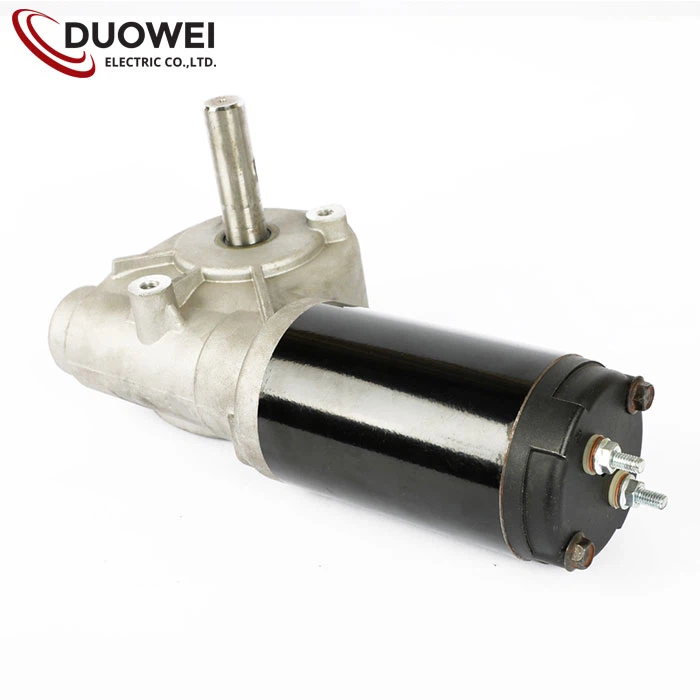
First off, let's talk about what a gear motor is. A gear motor is a type of motor that has a gearbox attached to it. The gearbox helps to increase the torque (or turning force) of the motor while reducing its speed. This makes gear motors ideal for applications where you need a lot of power but don't need the motor to spin really fast, like in conveyor belts, robotics, and automotive systems.
Now, onto the noise level. The noise level of a gear motor can vary depending on a few different factors, such as the type of gears used, the speed of the motor, and the quality of the components. Generally speaking, gear motors can produce anywhere from 30 to 80 decibels (dB) of noise. To put that into perspective, a normal conversation is about 60 dB, while a lawnmower can produce up to 90 dB of noise.
Let's take a closer look at some of the factors that can affect the noise level of a gear motor.

Type of Gears
There are several types of gears that can be used in a gear motor, including spur gears, helical gears, worm gears, and planetary gears. Each type of gear has its own unique characteristics, which can affect the noise level of the motor.
- Spur Gears: Spur gears are the most common type of gears used in gear motors. They are simple in design and easy to manufacture, but they can produce a lot of noise when they mesh together. This is because the teeth of the gears come into contact with each other all at once, creating a loud clicking or rattling sound.
- Helical Gears: Helical gears are similar to spur gears, but the teeth are cut at an angle. This allows the gears to mesh together more smoothly, reducing the amount of noise they produce. Helical gears are often used in high-speed applications where noise is a concern.
- Worm Gears: Worm gears consist of a worm (a screw-like gear) and a worm wheel. The worm meshes with the teeth of the worm wheel, creating a high reduction ratio. Worm gears are known for their quiet operation, but they can be less efficient than other types of gears.
- Planetary Gears: Planetary gears are a type of gear system that consists of a central sun gear, multiple planet gears, and an outer ring gear. The planet gears rotate around the sun gear, while the ring gear remains stationary. Planetary gears are known for their high efficiency, compact size, and quiet operation.
Speed of the Motor
The speed of the motor can also affect the noise level. Generally speaking, the faster the motor spins, the louder it will be. This is because the gears and other moving parts are moving more quickly, creating more friction and vibration. If you need a gear motor for a low-noise application, it's a good idea to choose one with a lower speed.
Quality of the Components
The quality of the components used in the gear motor can also have a big impact on the noise level. A high-quality gear motor will be made with precision gears and other components that are designed to mesh together smoothly and quietly. On the other hand, a low-quality gear motor may have gears that are poorly machined or made from inferior materials, which can result in a lot of noise.
So, how can you choose a gear motor with a low noise level? Here are a few tips:
- Choose the Right Type of Gears: As mentioned earlier, some types of gears are quieter than others. If noise is a concern, consider choosing a gear motor with helical gears, worm gears, or planetary gears.
- Look for a Low-Speed Motor: If possible, choose a gear motor with a lower speed. This will help to reduce the amount of noise the motor produces.
- Choose a High-Quality Motor: Invest in a high-quality gear motor that is made with precision gears and other components. This may cost a little more upfront, but it will pay off in the long run by reducing the amount of noise and maintenance required.
At our company, we offer a wide range of gear motors with different noise levels to meet your specific needs. For example, our 24V PMDC Planetary Gear Motor is known for its quiet operation and high efficiency. It's a great choice for applications where noise is a concern, such as in medical equipment and home appliances.
If you need a gear motor with a lower voltage, our 12V DC Worm Gear Motor is a great option. It's also very quiet and efficient, making it ideal for use in small robotics and automation systems.
In conclusion, the noise level of a gear motor can vary depending on several factors, including the type of gears used, the speed of the motor, and the quality of the components. By choosing the right type of gears, a low-speed motor, and a high-quality motor, you can reduce the amount of noise your gear motor produces.
If you're in the market for a gear motor and have any questions about noise levels or other specifications, please don't hesitate to reach out. We're here to help you find the perfect gear motor for your application. Whether you're working on a small DIY project or a large industrial application, we've got the expertise and products to meet your needs. Let's start a conversation and see how we can work together to get you the right gear motor.
References
- "Gear Motors: Types, Applications, and Selection Guide." Machinery Lubrication.
- "Noise in Electric Motors." Electrical Engineering Portal.