

Hey there! As a supplier of 12V DC worm gear motors, I've seen a lot of folks scratching their heads over how to pick the right one for their projects. It's not as daunting as it might seem, though. In this blog, I'll walk you through the key factors to consider when choosing a 12V DC worm gear motor, so you can make an informed decision.
Understanding the Basics
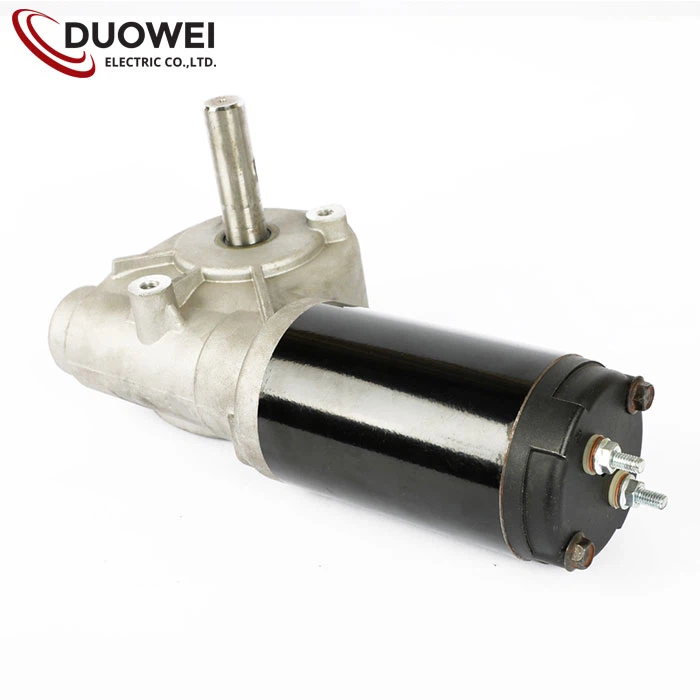
First off, let's talk about what a 12V DC worm gear motor is. It's a type of motor that uses a worm gear mechanism to transfer power. The worm gear consists of a worm (a screw-like shaft) and a worm wheel (a gear with teeth that mesh with the worm). This setup allows for high torque output and a compact design, making it ideal for a wide range of applications.
The "12V DC" part means that the motor operates on a 12-volt direct current power supply. This is a common voltage used in many electronic devices and automotive applications, so it's easy to find compatible power sources.
Torque Requirements
One of the most important factors to consider when choosing a 12V DC worm gear motor is the torque requirements of your project. Torque is the rotational force that the motor can generate, and it's measured in units like Newton-meters (N·m) or inch-pounds (in·lb).
To determine the torque you need, think about the load that the motor will be driving. For example, if you're building a robotic arm, you'll need to consider the weight of the arm and any objects it will be carrying. The heavier the load, the more torque the motor will need to move it.
You can calculate the approximate torque requirements using some basic physics formulas, but if you're not comfortable with that, you can also look at similar projects or consult with an engineer. Once you have an idea of the torque you need, you can look for a motor that can provide it. Most motor manufacturers will list the torque rating of their motors in their product specifications.
Speed Requirements
In addition to torque, you also need to consider the speed requirements of your project. The speed of a motor is usually measured in revolutions per minute (RPM). Different applications will require different speeds. For example, a conveyor belt might need a slow and steady speed, while a fan might need a higher speed.
When choosing a 12V DC worm gear motor, you'll want to find one that can operate at the speed you need. Keep in mind that the speed of the motor can be affected by the load it's driving. A heavier load will typically cause the motor to slow down. Some motors come with adjustable speed controls, which can be useful if you need to vary the speed depending on the task.
Efficiency
Efficiency is another important factor to consider. An efficient motor will convert more of the electrical energy it consumes into mechanical energy, which means it will use less power and generate less heat. This is not only better for the environment but can also save you money in the long run.
When looking at motor specifications, you'll often see an efficiency rating. This is usually expressed as a percentage. A higher percentage means a more efficient motor. Keep in mind that the efficiency of a motor can vary depending on the load and speed at which it's operating.
Size and Mounting
The size and mounting options of the motor are also crucial. You need to make sure that the motor will fit into the space you have available in your project. Measure the dimensions of the area where you plan to install the motor and compare them to the dimensions of the motors you're considering.
In addition to size, you also need to consider the mounting options. Some motors come with standard mounting holes or brackets that make them easy to install. Others might require custom mounting solutions. Make sure you choose a motor that can be easily mounted in your project.
Durability and Reliability
You want a motor that will last. Look for motors that are made from high-quality materials and have a reputation for reliability. Check the manufacturer's warranty and customer reviews to get an idea of how durable the motor is.
A motor that breaks down frequently can cause a lot of headaches and delays in your project. So, it's worth investing a little extra in a reliable motor.
Cost
Of course, cost is always a factor. You'll want to find a 12V DC worm gear motor that fits within your budget. However, don't just go for the cheapest option. Remember, you get what you pay for. A low-cost motor might not have the same performance, durability, or efficiency as a more expensive one.
Compare the prices of different motors, but also consider the features and quality they offer. Sometimes, it's worth spending a little more to get a motor that will meet your needs and last longer.

Where to Find the Right Motor
Now that you know what to look for, where can you find the right 12V DC worm gear motor? Well, you're in luck! As a supplier, I can offer you a wide range of high-quality 12V DC worm gear motors. You can check out our 12V DC Worm Gear Motor page on our website to see our selection.
We also offer a 24V PMDC Planetary Gear Motor if you have a project that requires a different type of motor. Our motors are designed to meet the needs of various applications, and we can provide you with the technical support you need to choose the right one.
Conclusion
Choosing the right 12V DC worm gear motor for your project doesn't have to be a hassle. By considering factors like torque, speed, efficiency, size, durability, and cost, you can find a motor that will work well for your specific needs.
If you have any questions or need more information, don't hesitate to reach out. We're here to help you make the best choice for your project. Whether you're a hobbyist or a professional, we can provide you with the right motor and the support you need to get your project up and running. So, start exploring our selection today and let's get your project moving!
References
- General knowledge about DC motors and their applications.
- Product specifications and technical information from motor manufacturers.