

In the world of motors, the 12V DC worm gear motor stands out as a versatile and reliable component, widely used in various applications ranging from small robotics to automotive accessories. As a supplier of 12V DC Worm Gear Motors, I often encounter questions about the static torque of these motors. In this blog, I will delve into the concept of static torque, its significance in 12V DC worm gear motors, and how it impacts the performance of your projects.

Understanding Static Torque
Before we dive into the specifics of the static torque of a 12V DC worm gear motor, let's first understand what static torque means. Torque is a measure of the rotational force applied to an object. In the context of motors, it represents the ability of the motor to generate a twisting force to turn a shaft or drive a load. Static torque, on the other hand, is the torque that a motor can produce when it is stationary or at rest. It is the maximum amount of torque that the motor can exert without moving.
Static torque is an important parameter to consider when selecting a motor for your application. It determines the motor's ability to hold a load in place or start moving a heavy load from a standstill. For example, in a robotic arm, the static torque of the motor is crucial for maintaining the position of the arm and preventing it from drooping under the weight of the load. Similarly, in a door lock mechanism, the static torque of the motor ensures that the lock remains secure and does not open accidentally.
Static Torque in 12V DC Worm Gear Motors
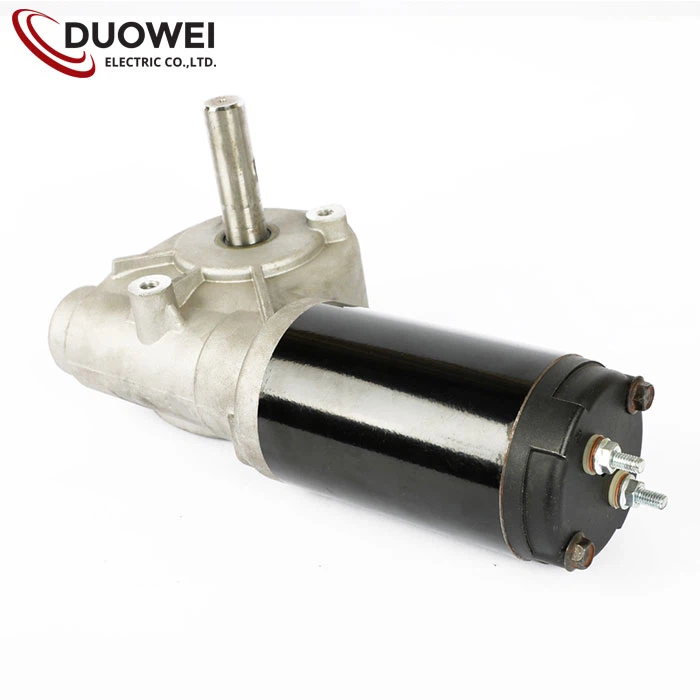
A 12V DC worm gear motor consists of a DC motor and a worm gear reduction unit. The worm gear mechanism provides a high reduction ratio, which means that the motor can produce a large amount of torque at a relatively low speed. This makes 12V DC worm gear motors ideal for applications that require high torque and low speed, such as lifting, positioning, and locking.
The static torque of a 12V DC worm gear motor is determined by several factors, including the motor's design, the gear ratio of the worm gear reduction unit, and the voltage applied to the motor. Generally, the higher the gear ratio, the higher the static torque of the motor. This is because the worm gear mechanism multiplies the torque produced by the motor, allowing it to generate a larger twisting force.
In addition to the gear ratio, the static torque of a 12V DC worm gear motor is also affected by the voltage applied to the motor. A higher voltage will result in a higher static torque, as it provides more power to the motor. However, it is important to note that the voltage rating of the motor should not be exceeded, as this can damage the motor and reduce its lifespan.
Measuring Static Torque
To measure the static torque of a 12V DC worm gear motor, you will need a torque meter or a dynamometer. These devices are designed to measure the amount of torque applied to a rotating shaft. To perform the measurement, you will need to connect the motor to the torque meter or dynamometer and apply a load to the motor shaft. The load can be a weight or a spring, depending on the type of measurement you are performing.
Once the load is applied, the motor will attempt to rotate the shaft. The torque meter or dynamometer will measure the amount of torque required to hold the shaft stationary. This measurement is the static torque of the motor. It is important to note that the static torque of a motor can vary depending on the temperature, humidity, and other environmental factors. Therefore, it is recommended to perform the measurement under controlled conditions to ensure accurate results.
Applications of 12V DC Worm Gear Motors
12V DC worm gear motors are widely used in a variety of applications, including:
- Robotics: 12V DC worm gear motors are commonly used in robotic arms, grippers, and other robotic components. The high torque and low speed of these motors make them ideal for precise positioning and movement control.
- Automotive Accessories: 12V DC worm gear motors are used in automotive accessories such as power windows, power seats, and power mirrors. The high torque and reliability of these motors ensure smooth and efficient operation.
- Home Appliances: 12V DC worm gear motors are used in home appliances such as garage door openers, electric blinds, and window shutters. The high torque and low speed of these motors make them ideal for lifting and positioning heavy loads.
- Industrial Equipment: 12V DC worm gear motors are used in industrial equipment such as conveyor belts, packaging machines, and automated assembly lines. The high torque and durability of these motors ensure reliable operation in demanding industrial environments.
Benefits of Using 12V DC Worm Gear Motors
There are several benefits of using 12V DC worm gear motors in your applications, including:
- High Torque: 12V DC worm gear motors can produce a large amount of torque at a relatively low speed, making them ideal for applications that require high torque and low speed.
- Compact Size: 12V DC worm gear motors are typically smaller and lighter than other types of motors, making them ideal for applications where space is limited.
- Quiet Operation: 12V DC worm gear motors operate quietly, making them ideal for applications where noise is a concern.
- High Efficiency: 12V DC worm gear motors are highly efficient, meaning that they can convert a large percentage of the electrical energy into mechanical energy. This results in lower power consumption and longer battery life.
- Reliability: 12V DC worm gear motors are designed to be durable and reliable, making them ideal for applications that require continuous operation.
Considerations When Selecting a 12V DC Worm Gear Motor
When selecting a 12V DC worm gear motor for your application, there are several factors to consider, including:
- Static Torque: As discussed earlier, the static torque of the motor is an important parameter to consider. Make sure to select a motor with a static torque that is sufficient for your application.
- Speed: The speed of the motor is another important parameter to consider. Make sure to select a motor with a speed that is appropriate for your application.
- Gear Ratio: The gear ratio of the worm gear reduction unit determines the torque and speed of the motor. Make sure to select a motor with a gear ratio that is appropriate for your application.
- Voltage: The voltage rating of the motor should match the voltage of your power source. Make sure to select a motor with a voltage rating that is appropriate for your application.
- Size and Weight: The size and weight of the motor are important considerations, especially if space is limited. Make sure to select a motor that is compact and lightweight.
Conclusion
In conclusion, the static torque of a 12V DC worm gear motor is an important parameter that determines the motor's ability to hold a load in place or start moving a heavy load from a standstill. As a supplier of 12V DC Worm Gear Motors, I understand the importance of selecting the right motor for your application. By considering the factors discussed in this blog, you can select a motor that provides the static torque, speed, gear ratio, voltage, size, and weight that you need.
If you are interested in learning more about our 12V DC worm gear motors or other products, such as 24V PMDC Planetary Gear Motors, please feel free to contact us. Our team of experts is available to answer your questions and help you select the right motor for your application. We look forward to working with you!
References
- "Electric Motors and Drives: Fundamentals, Types and Applications" by Austin Hughes and Bill Drury
- "Motor Handbook" by Arnold Tustin
- Technical specifications provided by motor manufacturers